

accelerated transcranial magnetic stimulation

Depression Treatment That Doesn’t Have to Take Weeks of Appointments
Believe in WE, and let’s work together to help you get well quicker!
Rather than delivering one session a day over several weeks, Accelerated TMS delivers multiple sessions a day across a shorter treatment period.
When depression hasn’t responded adequately to medication or traditional treatment, exploring another approach can feel like a major decision. And when that treatment requires daily appointments for six weeks or longer, scheduling becomes another challenge.
At Certus Psychiatry & Integrated Care, Accelerated TMS provides an alternative treatment schedule for qualifying patients living with depression.

For patients in Raleigh, Winston-Salem, and surrounding North Carolina communities, it offers an opportunity to explore an intensive, non-invasive approach to depression care.
You have options. Let’s explore them together. Call 833-701-3111 to schedule an Accelerated TMS consultation.
What is Accelerated TMS?
Accelerated TMS is a form of transcranial magnetic stimulation in which patients receive multiple stimulation sessions per day instead of the conventional once-daily schedule.
TMS uses magnetic pulses to stimulate nerve cells in areas of the brain associated with mood regulation. It is an established treatment option for certain patients with major depressive disorder, particularly those who have not experienced sufficient improvement with antidepressant medications.
Traditional TMS generally requires appointments five days per week over several weeks. Accelerated TMS compresses the schedule, potentially making treatment more accessible for patients who cannot commit to frequent office visits over an extended period.

At Certus Psychiatry, accelerated treatment plans may involve:
- Multiple TMS sessions each day.
- Treatment schedules spanning several days rather than several weeks.
- Brief individual stimulation sessions.
- Scheduled rest periods between treatments.
- Clinical evaluation, monitoring, and follow-up.
The exact number of treatments and length of the program depend on the protocol recommended by your Certus care team.
How Does Accelerated TMS Work?
Accelerated TMS uses the same basic principle as conventional TMS: magnetic stimulation influences activity in targeted areas of the brain.
During a treatment session, an electromagnetic coil is positioned near the scalp. The device delivers carefully controlled magnetic pulses that stimulate nerve cells associated with mood regulation.
One method used in accelerated treatment is intermittent theta burst stimulation (iTBS), a patterned form of TMS that can deliver stimulation during relatively brief sessions.
The difference between conventional and accelerated TMS is primarily how sessions are scheduled and, depending on the protocol, the stimulation parameters used. Rather than receiving one treatment per day, a patient receives several treatments separated by rest periods.
Certain accelerated TMS protocols have received FDA clearance for specific devices and treatment parameters. Other accelerated approaches may use FDA-cleared TMS equipment outside the precise schedule or indication for which the device was cleared. Your Certus provider can explain which treatment approach is recommended and why.
How Long Does Accelerated TMS Treatment Take?
At Certus Psychiatry, accelerated treatment schedules have been described as involving approximately 20 to 30 sessions delivered over four to eight treatment days.
Individual stimulation sessions may last approximately three to ten minutes, depending on the protocol, with scheduled intervals between treatments.
Because protocols vary, patients should discuss the exact treatment schedule before beginning. Your consultation will address the time commitment, anticipated number of visits, clinical considerations, and follow-up plan.
Who is a Candidate for Accelerated TMS?
Accelerated TMS may be considered for individuals who:
- Have been diagnosed with major depressive disorder.
- Continue to experience depression despite previous medication treatment.
- Have experienced troublesome side effects from antidepressants.
- Are interested in non-invasive treatment options.
- Cannot easily accommodate the schedule required for conventional TMS.
- Have discussed treatment alternatives with a qualified psychiatric care provider.
Accelerated TMS is not appropriate for every patient. Certain implanted devices, medical conditions, seizure-related risk factors, or other clinical circumstances may affect whether treatment is recommended. A comprehensive clinical evaluation is necessary before beginning treatment.
What are the Potential Benefits of Accelerated TMS?
- A Shorter Treatment Schedule: For many patients, the greatest potential advantage is convenience. A treatment course spanning several days may be easier to manage than weeks of recurring appointments.
- Non-Invasive Treatment: TMS does not involve surgery or general anesthesia. Patients remain awake and alert during treatment.
- No Medication Required for the Stimulation Procedure: TMS itself does not involve administering an antidepressant medication. Patients may continue other prescribed treatments according to their clinician’s recommendations.
- An Additional Option for Difficult-to-Treat Depression: Accelerated TMS offers another approach for patients whose symptoms have not responded sufficiently to previous treatments.
- Individualized Psychiatric Care: At Certus Psychiatry, the decision to pursue TMS is based on a patient’s diagnosis, medical history, treatment experience, and clinical needs.
Accelerated TMS in Raleigh, North Carolina
Certus Psychiatry serves patients exploring Accelerated TMS in Raleigh and the greater Research Triangle region.
Our Raleigh office is located at: 1350 Sunday Drive, Suite 101, Raleigh, NC 27607.
We welcome inquiries from patients in Raleigh, Cary, Apex, Morrisville, Wake Forest, Durham, and neighboring communities.
For people balancing professional responsibilities, family obligations, or challenging commutes, an accelerated schedule may make TMS more practical. Contact Certus to discuss treatment eligibility, scheduling, and availability.
Accelerated TMS in Winston-Salem, North Carolina
Certus Psychiatry also serves patients seeking Accelerated TMS in Winston-Salem and the Piedmont Triad.
Our Winston-Salem office is located at: 1255 Creekshire Way, Suite 270, Winston-Salem, NC 27103.
Patients from Winston-Salem, Clemmons, Lewisville, Kernersville, Greensboro, High Point, and surrounding areas can contact our team to explore treatment options. Our goal is to help patients understand which approach may make sense for their individual situation.
Research suggests accelerated TMS can reduce depressive symptoms in some patients, including individuals with treatment-resistant depression. Several clinical studies have reported promising outcomes using intensive TMS schedules.
However, response rates differ considerably depending on the stimulation protocol, patient characteristics, treatment equipment, and methods used to measure outcomes. The results from one clinical study should not automatically be applied to every accelerated TMS program.
Importantly, completing treatment faster does not guarantee that symptoms will improve faster. At Certus Psychiatry, we believe patients deserve a realistic understanding of both the possibilities and limitations of treatment. Our goal is to help you make an informed choice about your care.
- Step 1 – Consultation and Evaluation: Your treatment begins with an evaluation of your psychiatric history, symptoms, medications, and previous treatment responses. The Certus team will discuss whether Accelerated TMS is appropriate and explain the proposed schedule.
- Step 2 – Treatment Planning: Your clinical team determines the stimulation approach and treatment parameters appropriate for your care. You’ll receive information about the length of each visit, rest periods, and expected follow-up.
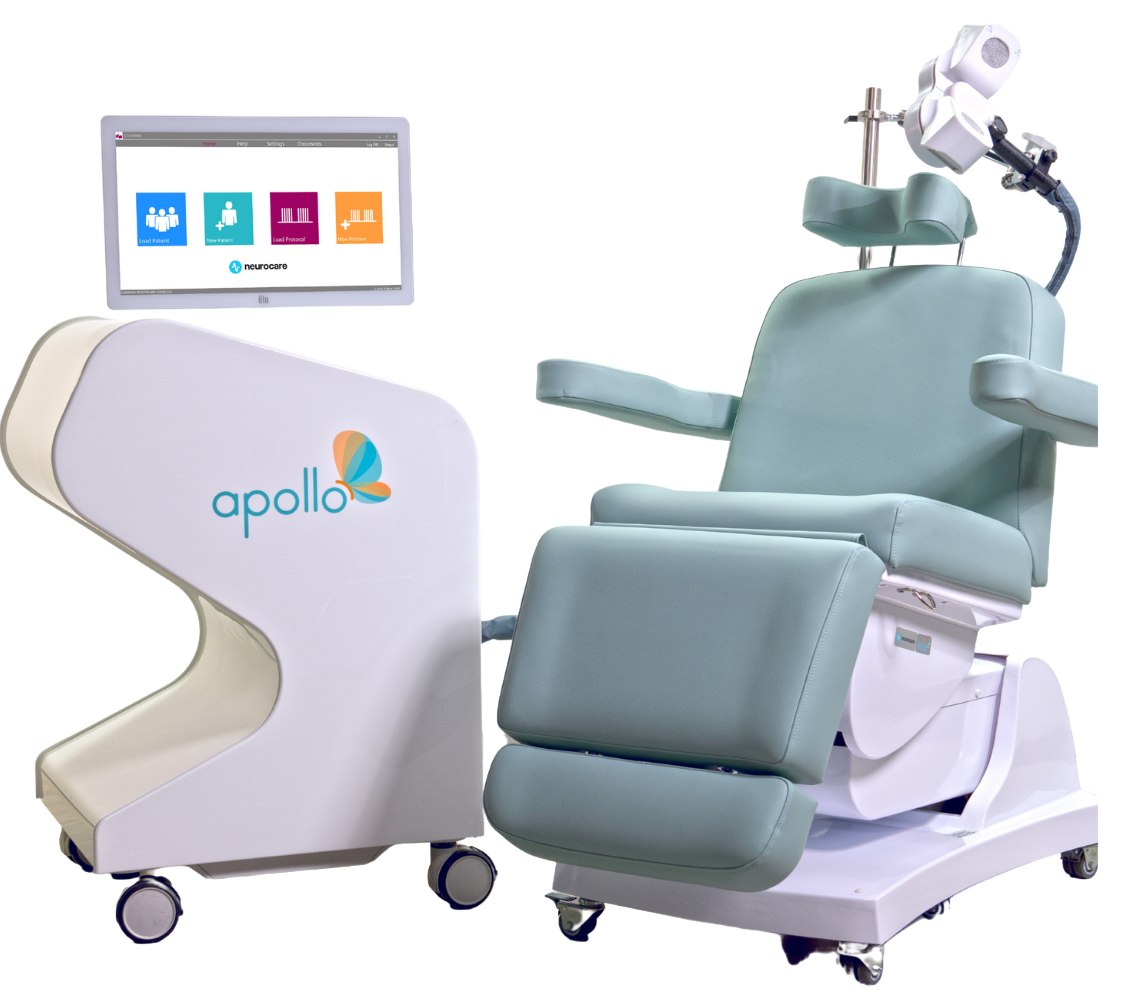
- Step 3 – Accelerated Treatment Sessions: During each session, you sit in a treatment chair while a specialized TMS device delivers magnetic stimulation. You remain awake and can communicate with the care team throughout the procedure. Sessions are scheduled with rest intervals between treatments.
- Step 4: Monitoring and Follow-Up: Your provider evaluates symptoms and treatment response during and after the program. Depending on your progress, additional psychiatric care, medication management, psychotherapy, or other follow-up may be recommended.
TMS is generally well tolerated when used appropriately. Potential side effects include:
- Temporary headaches.
- Scalp discomfort at the stimulation site.
- Unusual sensations during stimulation.
- Temporary fatigue or other mild discomfort.
- Serious adverse events, including seizures, are uncommon but possible. Before treatment, your provider will discuss risks, relevant medical history, implanted devices, and other factors that may affect eligibility.
Because Accelerated TMS uses a more intensive treatment schedule, understanding the specific protocol and its supporting safety evidence is especially important.
- Traditional TMS: usually once per weekday over several and often covered for qualifying patients.
- Accelerated TMS: multiple sessions per day over several days. Insurance coverage is frequently limited, and evidence varies by specific accelerated protocol.
Both approaches use non-invasive magnetic stimulation. The right choice depends on clinical appropriateness, available evidence, insurance coverage, and individual circumstances.
Accelerated TMS is not routinely covered by many insurance plans. Insurance policies typically include specific requirements governing the number and frequency of TMS sessions.
Although conventional TMS is often covered for eligible patients with depression, accelerated treatment schedules may fall outside those requirements. Certus Psychiatry can explain current program pricing, payment options, and any insurance considerations before you decide to proceed.
Frequently Asked Questions About Accelerated TMS
What is the difference between Accelerated TMS and One-Day TMS? Both deliver multiple TMS treatments per day. Certus’ One-Day TMS program schedules 20 sessions in a single day, while its Accelerated TMS program typically spreads sessions across several treatment days.
Does Accelerated TMS work faster than regular TMS? Accelerated TMS completes scheduled stimulation sessions in less time. However, that does not guarantee faster symptom improvement. Research continues to evaluate the timing and durability of responses.
Is Accelerated TMS FDA-cleared? Certain specific accelerated protocols and systems have FDA clearance. Other accelerated schedules may involve off-label use of FDA-cleared devices. FDA clearance for one protocol does not automatically extend to another.
Is Accelerated TMS painful? Some patients experience tapping sensations or scalp discomfort during treatment. Your clinical team can discuss strategies to manage discomfort.
Will Accelerated TMS interfere with my medications? Your provider will review your medications before beginning treatment. Do not stop or adjust prescribed medications without medical guidance.
What conditions can Accelerated TMS treat? The strongest established clinical use of TMS is for certain forms of depression. Other potential applications are being investigated, but supporting evidence and regulatory status vary by condition and treatment protocol.
How much does Accelerated TMS cost? Costs depend on the specific treatment plan and current program pricing. Contact Certus Psychiatry for an explanation of self-pay arrangements and insurance considerations.
How do I know whether Accelerated TMS is right for me? A psychiatric evaluation is the appropriate starting point. Your provider will consider your diagnosis, treatment history, safety factors, and personal circumstances.
When Depression Hasn’t Responded, There May Be Another Path
Living with depression can be exhausting, especially when treatments you’ve already tried haven’t provided the improvement you hoped for.
At Certus Psychiatry & Integrated Care, we recognize that every patient’s experience is different. Accelerated TMS may offer another treatment option worth considering.
Believe in WE. Because finding your way forward should be something we work on together.
Call 833-701-3111 or visit here to contact us about Accelerated TMS in Raleigh and Winston-Salem, North Carolina.
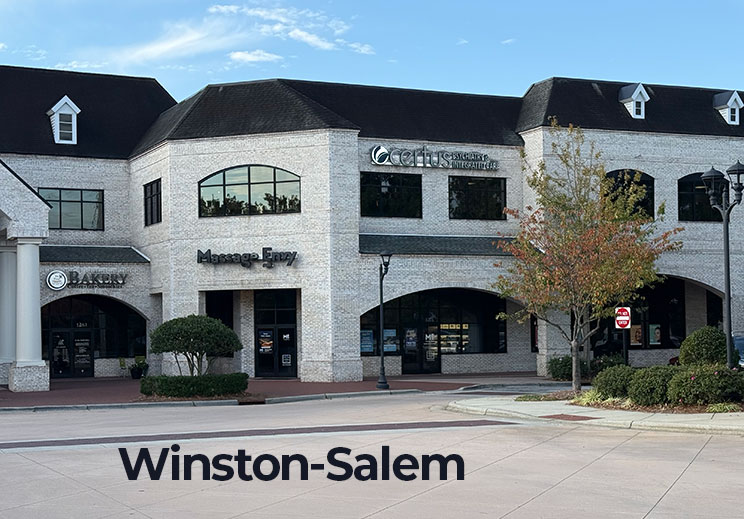
Winston-Salem Office
1255 Creekshire Way
(between Brixx and Firebirds)
Two Convenient
Locations!
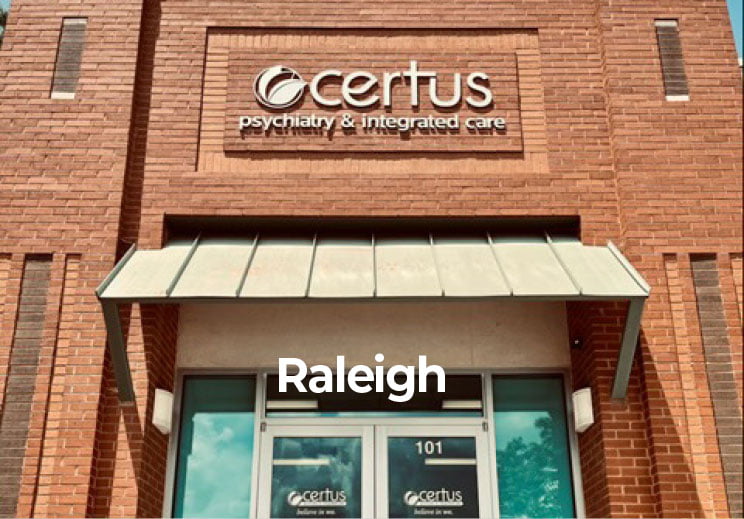
Raleigh Office
1350 Sunday Drive
Suite 101