
PrTMS-draft
Believe in WE, and Discover an Individualized Approach to Non-Invasive Brain Stimulation


Depression and other mental health challenges affect people differently. Symptoms, medical histories, and treatment responses vary, and those differences matter when evaluating brain stimulation options. So, it makes sense to tailor brain stimulation treatment to the individual rather than using the same approach for every patient.
At Certus Psychiatry, Personalized Repetitive Transcranial Magnetic Stimulation (PrTMS®) offers an individualized approach to non-invasive brain stimulation.
Using electroencephalogram (EEG) measurements and clinical information, PrTMS helps guide the development of a personalized stimulation plan.
If you’ve been exploring TMS therapy in Raleigh or Winston-Salem, PrTMS represents a potential treatment option worth discussing with a qualified psychiatric provider.
Let’s explore whether personalized TMS may be appropriate for you. Call 833-701-3111 to schedule a consultation with Certus Psychiatry. NOTE: Those seeking PrTMS treatment in Raleigh may need to travel to Winston-Salem for EEG treatment.
What Is PrTMS?
PrTMS stands for Personalized Repetitive Transcranial Magnetic Stimulation. It is a proprietary approach developed by PeakLogic® that combines repetitive transcranial magnetic stimulation (rTMS) with EEG-based assessments to help guide treatment planning.
Traditional TMS uses magnetic pulses directed toward specific regions of the brain associated with mood regulation. PrTMS builds on the underlying technology by using an individual’s EEG measurements and clinical information to help develop and adjust stimulation recommendations.
An EEG records electrical activity in the brain through sensors placed on the scalp. This information can be analyzed to identify patterns of brainwave activity that may help inform a personalized treatment approach.
PrTMS is being investigated for a variety of clinical applications. However, evidence supporting this personalized approach is still developing, and its effectiveness for every proposed condition has not been established.
At Certus Psychiatry, your provider can explain how PrTMS differs from conventional TMS, its potential limitations, and whether the approach is appropriate for your individual needs.
How Does PrTMS Work?
- Clinical Evaluation: Treatment begins with a review of your medical and psychiatric history, symptoms, previous treatments, and individual concerns. Your Certus provider considers whether brain stimulation is an appropriate option and reviews relevant safety considerations.
- EEG Brainwave Assessment: An electroencephalogram records electrical activity from the brain using sensors positioned on the scalp. The assessment is non-invasive and does not require surgery or anesthesia. EEG measurements provide information about patterns of electrical activity, including certain brainwave frequencies. This information is one component of the PrTMS planning process.
- Personalized Treatment Planning: PrTMS uses proprietary software and clinical information to help develop individualized repetitive TMS recommendations.
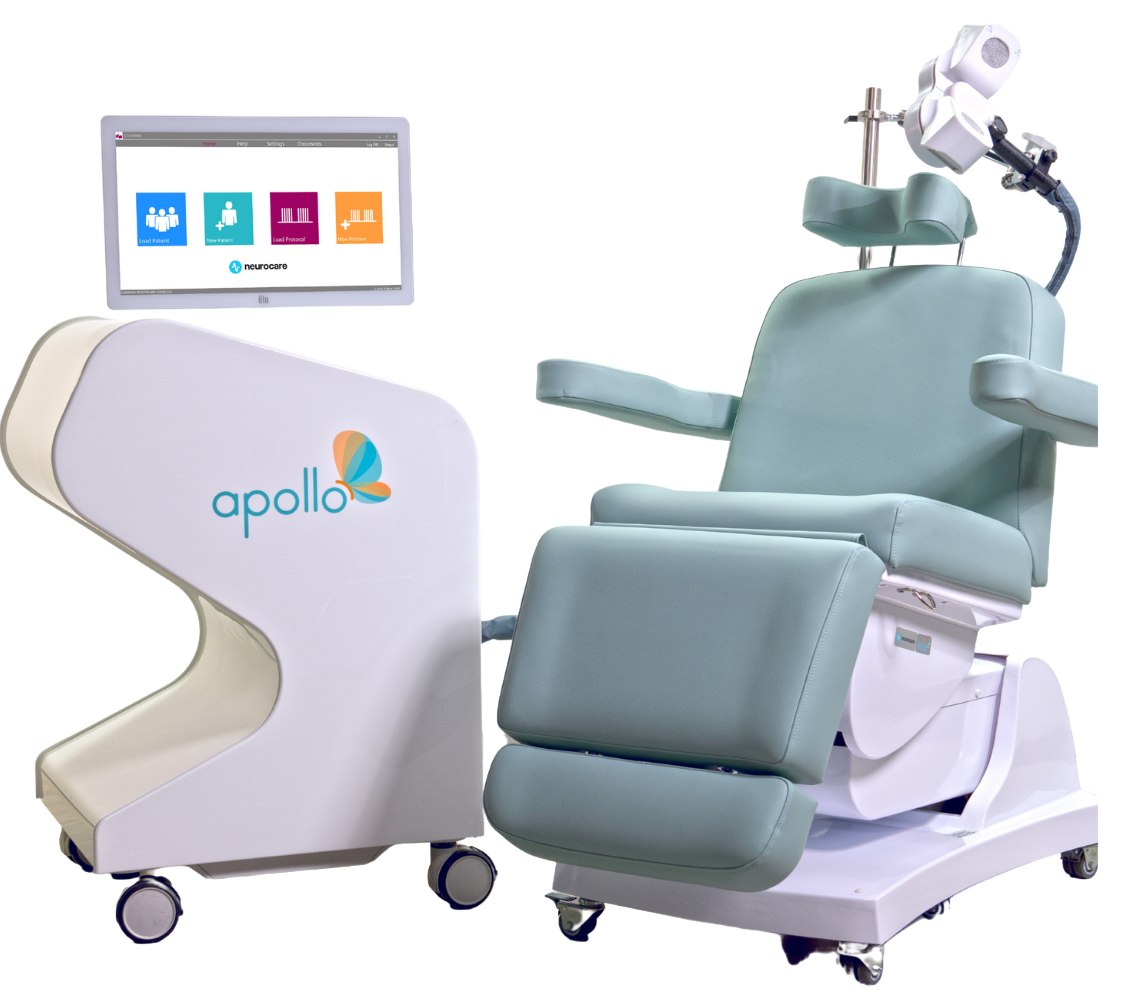
Depending on the protocol, treatment planning may involve adjustments to stimulation frequency, intensity, or targeted brain regions. At Certus Psychiatry, the treatment plan is reviewed and approved by the responsible clinical provider. - Non-Invasive TMS Treatment: During treatment, you sit in a comfortable chair while a magnetic stimulation coil is positioned near your scalp. The device delivers magnetic pulses according to the prescribed treatment plan. You remain awake and alert throughout the procedure.
- Ongoing Evaluation: The PrTMS approach allows providers to reassess EEG findings and clinical responses during treatment. Adjustments may be considered based on the treatment protocol and your provider’s judgment. As with other psychiatric treatments, results vary, and ongoing monitoring is important.

What Makes PrTMS Different from Traditional TMS?
The principal distinction is how treatment recommendations are developed and adjusted. Conventional TMS generally uses established stimulation protocols targeting specific brain regions.
PrTMS incorporates EEG measurements and proprietary analysis into its individualized treatment-planning process.
Traditional TMS and PrTMS both use non-invasive magnetic stimulation without anesthesia. Conventional TMS uses established clinical protocols, while PrTMS uses EEG-informed personalized recommendations, including EEG-based adjustments. The evidence base is established for certain depression indications with conventional TMS and continues to develop for the proprietary PrTMS approach.
Personalization does not automatically mean a treatment is more effective. Although EEG-informed neuromodulation is an active area of research, further high-quality clinical studies are needed to determine when these methods provide advantages over established TMS protocols.


What Conditions are Being Studied With PrTMS?
Researchers have investigated personalized TMS approaches for several neurological and psychiatric conditions.
- Depression and mood-related symptoms: TMS is an established treatment for certain patients with major depressive disorder. Research is exploring whether EEG-informed approaches can improve individualized treatment planning.
- Post-Traumatic Stress Disorder (PTSD): An observational study involving military veterans reported improvements in PTSD symptoms following PrTMS used alongside routine PTSD treatment. However, additional controlled research is needed to establish the effectiveness of the specific PrTMS approach.
- Concussion-related symptoms: Preliminary clinical research has explored PrTMS for persistent symptoms following concussion. The findings are encouraging enough to justify further investigation, but they do not establish PrTMS as a proven treatment for concussion.
- Other neurological and psychiatric applications: Researchers continue to investigate brain stimulation for a range of conditions. Evidence varies significantly, and some applications remain experimental.
PrTMS should not be assumed to be an established or FDA-cleared treatment for every condition under investigation. Your Certus provider can explain which potential applications are supported by current evidence and whether treatment would be considered off-label or investigational.
PrTMS Frequently Asked Questions
EEG brain mapping provides information about electrical activity recorded from the scalp. Researchers study how patterns of brainwave activity relate to neurological function, psychiatric symptoms, and responses to brain stimulation.
In PrTMS, EEG information is used to help guide treatment recommendations. However, EEG findings alone do not establish a psychiatric diagnosis, identify the single cause of a mental health condition, or guarantee a particular treatment outcome.
The value of EEG-informed stimulation depends on the clinical context and the evidence supporting the specific treatment protocol. At Certus Psychiatry, brain mapping is considered within the broader context of a patient’s symptoms, medical history, and clinical assessment.
PrTMS may be worth discussing with a psychiatric provider if:
- You are exploring non-invasive brain stimulation options.
- You have experienced persistent psychiatric symptoms despite previous treatment.
- You are interested in understanding EEG-informed treatment planning.
- You want to discuss how personalized TMS differs from conventional TMS.
- You are seeking a comprehensive psychiatric evaluation of available treatment options.
Not everyone is a candidate for TMS. Certain metallic or electronic implants, medical conditions, seizure-related concerns, or other clinical factors may make treatment inappropriate.
Your provider will also consider whether the proposed use of PrTMS has sufficient clinical evidence to justify treatment.
During your PrTMS treatment, you’ll relax in a comfortable reclining chair in one of our treatment rooms. Soft, calming music may be played to create a peaceful environment and minimize distractions.
PrTMS is a noninvasive treatment that does not require surgery or anesthesia. You’ll remain awake throughout your session and can simply relax, often with your eyes closed.
During treatment, you may feel a tapping sensation on your scalp. The intensity can vary, but most patients tolerate the treatment well. Some may experience temporary scalp discomfort or mild headaches, particularly during the first few sessions. These effects typically lessen as you adjust to treatment.
A trained technician will be with you throughout your session to monitor your comfort, answer questions, and make adjustments if needed. At Certus Psychiatry, your comfort, safety, and confidence in your care are always priorities.
PrTMS uses repetitive transcranial magnetic stimulation technology. TMS is generally well tolerated when appropriately prescribed and administered, but risks must be considered. Potential side effects include headaches, scalp discomfort, and temporary pain or sensitivity during stimulation. Seizures are an uncommon but serious potential complication of TMS.
Certain metallic or electronic implants near the treatment area can also create safety concerns. Your Certus provider will review your health history, medications, and other relevant factors before recommending treatment.
Certain TMS devices and protocols are FDA-cleared for specific clinical indications, including major depressive disorder.
However, the FDA clearance of a TMS device does not automatically establish FDA clearance or proven effectiveness for every proprietary treatment-planning method or every condition treated using that device.
PrTMS incorporates a personalized, EEG-informed approach whose evidence base continues to develop.
Before beginning treatment, patients should understand the device being used, the proposed clinical indication, and whether the recommended treatment falls within the device’s FDA-cleared uses. Certus Psychiatry can discuss these distinctions during your consultation.
Conventional TMS typically uses established stimulation protocols. PrTMS incorporates EEG information and proprietary analysis into treatment planning and adjustments.
No. Standard scalp EEG is non-invasive. Sensors record electrical signals from the scalp without delivering stimulation.
The EEG, or electroencephalogram, simply records data. The information we obtain helps inform your protocol. We know it’s more than a report, so we also have patients complete questionnaires to consider the whole person, including feelings alongside the data.
With PrTMS, we have the capability to treat up to 5 different areas of the brain in a single session. Those areas include CZ, FZ, F3, FPZ, F4. Further questions about specifics can be discussed with your Certus Practitioner.
TMS is an established treatment for certain patients with major depressive disorder. Personalized TMS approaches are being investigated, but it has not been established that PrTMS is consistently superior to conventional TMS.
PrTMS has been studied in patients with PTSD, including military veterans. Some observational findings have been promising, but additional controlled studies are needed to determine its effectiveness.
TMS research extends to a variety of conditions, but that does not establish PrTMS as a proven or FDA-cleared treatment for those conditions. Patients should discuss the evidence, regulatory status, and alternatives with their providers.
Treatment schedules depend on the clinical approach recommended by your provider. Certus can explain the proposed number of sessions and overall treatment timeline during your consultation.
Insurance coverage for TMS varies by diagnosis, treatment protocol, medical-necessity requirements, and insurance plan.
Conventional TMS for qualifying cases of major depressive disorder is covered by many insurance plans. However, coverage for personalized or EEG-guided approaches, additional brain mapping, and investigational treatment applications may be limited or unavailable.
Contact Certus Psychiatry to discuss current pricing, insurance considerations, and payment options before beginning treatment.
Certus Psychiatry serves patients in Raleigh, Winston-Salem, and surrounding areas. Contact the practice to discuss eligibility, treatment availability, and next steps.
PrTMS in Raleigh, North Carolina
Certus Psychiatry serves patients exploring PrTMS in Raleigh and the greater Research Triangle region.
Our Raleigh office is located at: 1350 Sunday Drive, Suite 101, Raleigh, NC 27607.
We welcome inquiries from patients in Raleigh, Cary, Apex, Morrisville, Wake Forest, Durham, and neighboring communities.
Contact Certus to discuss treatment eligibility, scheduling, and availability.
PrTMS in Winston-Salem, North Carolina
Certus Psychiatry also serves patients seeking PrTMS in Winston-Salem and the Piedmont Triad.
Our Winston-Salem office is located at: 1255 Creekshire Way, Suite 270, Winston-Salem, NC 27103.
Patients from Winston-Salem, Clemmons, Lewisville, Kernersville, Greensboro, High Point, and surrounding areas can contact our team to explore treatment options. Our goal is to help patients understand which approach may make sense for their individual situation.
A More Individualized Conversation About Your Mental Health
The decision to explore TMS should begin with understanding your symptoms, your experiences, and the treatments you’ve already tried.
At Certus Psychiatry & Integrated Care, we believe patients deserve thoughtful evaluations, clear explanations, and care that reflects their individual needs. PrTMS may be one option to consider as part of that conversation.
Believe in WE. Let’s work together to explore your path forward.
Call 833-701-3111 or visit the contact us page to schedule an appointment. Serving Raleigh, Winston-Salem, and surrounding North Carolina communities.

Winston-Salem Office
1255 Creekshire Way
(between Crust & Craft and Firebirds)
Two Convenient
Locations!
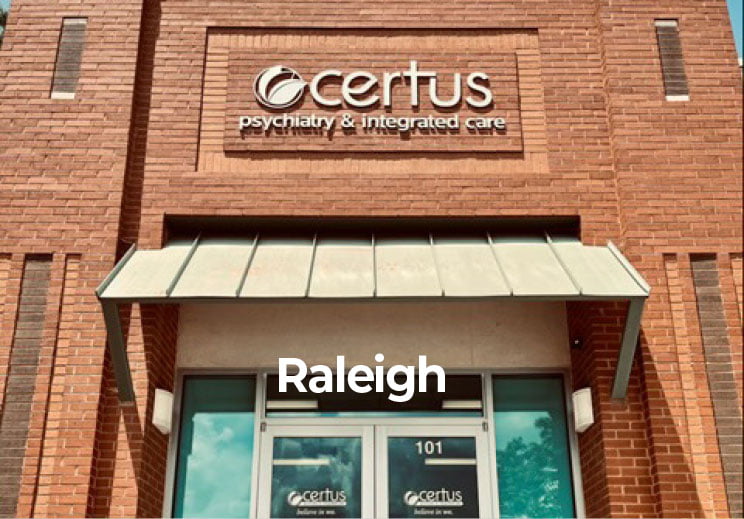
Raleigh Office
1350 Sunday Drive
Suite 101